After undergoing body contouring treatment, many patients wonder, "Can I exercise after body contouring treatment?" This question is crucial for those eager to return to their fitness routines. Understanding the timing and nature of post-treatment exercise is vital for a safe recovery.
Body contouring procedures can include liposuction, CoolSculpting, or tummy tucks. Each treatment has its own recovery timeline. Generally, gentle activities like walking can often resume within days. However, high-intensity workouts should be approached with caution. Listening to your body is essential during this period. After all, pushing too hard too soon can hinder healing and lead to complications.
Experts emphasize the importance of consulting with your healthcare provider before starting any exercise. They can offer personalized advice based on your specific situation. Remember, patience is key. Allowing time for your body to heal properly will yield the best long-term results.
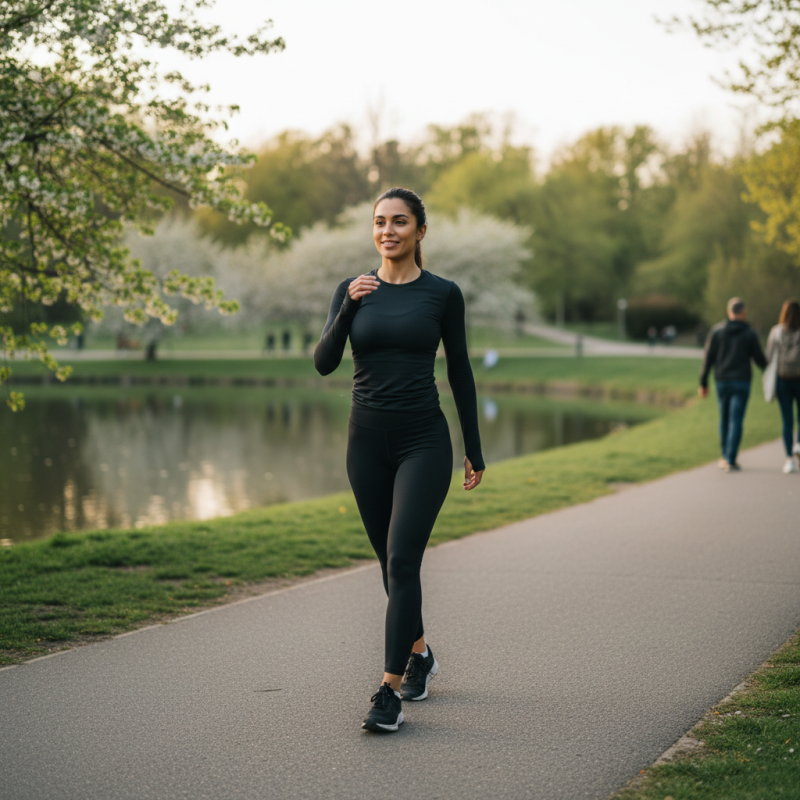
Body contouring treatments have become popular for individuals seeking to enhance their body shape. These procedures, such as liposuction and non-invasive fat reduction, usually require some recovery time. Understanding this recovery period is crucial for post-treatment planning, especially if you are considering returning to your exercise routine.
Most body contouring treatments will require at least a few days of rest. During this time, swelling and discomfort may occur. Gentle movements can aid recovery, but intense exercise is typically discouraged. Patients should listen to their bodies. Rushing back into a workout routine can lead to complications.
It is important to follow your healthcare provider's advice regarding physical activity. Every treatment is different. Factors such as your overall health, the extent of the procedure, and your personal healing process all play a role. Reflecting on your experience and how your body responds is key. Returning to exercise too soon can hinder your results. Take the time to heal properly.
After body contouring treatment, understanding when to resume exercise is vital. This typically involves a period of rest to allow the body to heal. Post-treatment, many practitioners recommend waiting at least one to two weeks before returning to any physical activity. This timeframe helps reduce the risk of complications. Each individual's recovery time may vary, but patience is essential.
Once you’re cleared for exercise, start slowly. Low-impact activities like walking or gentle stretching are ideal. These exercises promote blood circulation without straining your body. Listen to your body’s signals. Discomfort could indicate that you need more time to recover.
As you progress, gradually incorporate strength training or aerobic exercises. Avoid high-intensity workouts until fully healed. Monitor your responses closely. Consult with a qualified professional for personalized advice. This approach balances your health needs with fitness goals. Remember, a thoughtful recovery process is as crucial as the treatment itself.
After undergoing body contouring, many people wonder about resuming their exercise routines. The timeline for exercising post-treatment can vary significantly based on several factors. Research indicates that healing time is crucial; different procedures require distinct recovery periods. For instance, liposuction patients might return to light activities in about one to two weeks, whereas those who undergo more invasive surgeries may need up to six weeks before engaging in strenuous workouts.
One of the significant influences on when to exercise again is the individual's overall health. A report by the American Society of Plastic Surgeons emphasized that patients with pre-existing health conditions often face longer recovery times. Moreover, the type of body contouring performed plays a vital role; non-invasive procedures like cool sculpting generally allow quicker recovery. However, it’s essential to listen to your body. If you experience discomfort or unexpected swelling, it may be wise to rest longer and consult your physician.
Moreover, psychological factors can affect post-surgery motivation. Some might feel anxious about returning to their previous exercise intensity. Understanding the balance between caution and action is necessary. Engaging in light, low-impact exercises like walking can maintain physical activity without risking recovery. The key is gradual progression, respecting your body’s signals, and ensuring a sustainable return to fitness.
| Factor | Description | Recommended Time to Wait |
|---|---|---|
| Type of Procedure | Different procedures have varying recovery times and restrictions. | 1-6 weeks |
| Personal Healing Process | Individual healing rates can impact when it's safe to resume exercise. | Varies |
| Type of Exercise | Light activities may be permitted sooner than intense workouts. | 2-4 weeks for light; 6+ weeks for intense |
| Surgeon's Recommendations | Always follow the specific guidance provided by your surgeon. | Follow-up visit guidance |
| Pre-existing Conditions | Conditions like obesity or diabetes can affect recovery time. | Varies |
After body contouring treatment, many patients might feel eager to resume their exercise routine. However, exercising too soon can lead to several complications. A report from the American Society of Plastic Surgeons states that around 25% of patients encounter issues when they return to physical activities prematurely.
In the days following treatment, the body is in a vulnerable state. Swelling and bruising can affect recovery. Engaging in intense workouts may exacerbate these symptoms. In fact, a study published in the Journal of Aesthetic Surgery indicated that patients who exercised within a week of treatment saw a higher rate of complications. This included infections and delayed healing. Many people underestimate how their body reacts post-treatment.
Listening to your body is crucial during recovery. Signs like increased pain or swelling should prompt a reevaluation of your activity level. Experts typically recommend waiting at least two to three weeks before returning to light exercises. However, this varies by individual. It's essential to consult with a healthcare professional to determine the appropriate timeline for you. Ultimately, a patient-centered approach will lead to better outcomes and reduce potential risks.
After undergoing body contouring treatment, many patients wonder about resuming their exercise routines. It’s essential to approach this transition carefully. The American Society of Plastic Surgeons reported that approximately 45% of patients experience concerns regarding their activity levels post-surgery. Not all treatments are the same, and recovery can vary.
Generally, light activities can start within a week. Walking is often encouraged early on. This low-impact exercise can promote circulation and reduce swelling. Research from the Journal of Aesthetic Surgery shows that patients who incorporate gentle movement heal faster. However, high-intensity workouts should wait at least four to six weeks. Each body responds differently, and personal feelings of discomfort should guide decisions.
Listening to your body is crucial. For some, returning to former activity levels can feel daunting. It's normal to have fears about結果 or setbacks. Many athletes find it hard to adjust to slower progress. Slow and steady wins the race. Engaging with healthcare professionals throughout this journey can provide accountability. Their expertise helps tailor a personal plan. This guidance is a vital resource for safe resumption of physical activity.
: Most treatments require a few days of rest. This helps manage swelling and discomfort.
The timeline varies. Some may return to light activities in one to two weeks while others need up to six weeks.
Overall health, type of procedure, and personal healing ability all affect recovery and exercise timing.
Ignoring your body's signals can lead to complications, like infections or delayed healing.
Exercising early may increase swelling or pain and even result in infections.
Yes, anxiety about returning to pre-treatment intensity can hinder recovery. Finding a balance is vital.
Gentle, low-impact activities like walking can help maintain fitness without risking further injury.
Gradual progression is key. Respect your body’s signals and consult a healthcare professional for advice.
Pre-existing conditions often extend healing time, making it essential to adjust your exercise schedule accordingly.
Reassess your activity level and consider resting longer. Consult with a healthcare provider if symptoms persist.
Body contouring treatments offer a range of options for individuals seeking to improve their physique, but understanding recovery time is crucial for a successful outcome. The article "Can I Exercise After Body Contouring Treatment in 2026?" discusses the recommended guidelines for post-treatment exercise, emphasizing the importance of allowing the body time to heal. Factors such as the specific procedure undergone, personal health, and individual recovery rates can significantly influence when it is safe to resume physical activity.
Exercising too soon after body contouring can pose potential risks, including complications and prolonged recovery. To minimize these risks, the article outlines best practices for gradually reintroducing physical activity after treatment, ensuring that individuals can achieve their desired results while promoting overall well-being. Through informed decision-making and attention to post-treatment care, patients can safely navigate their return to exercise and maintain their body contouring results.