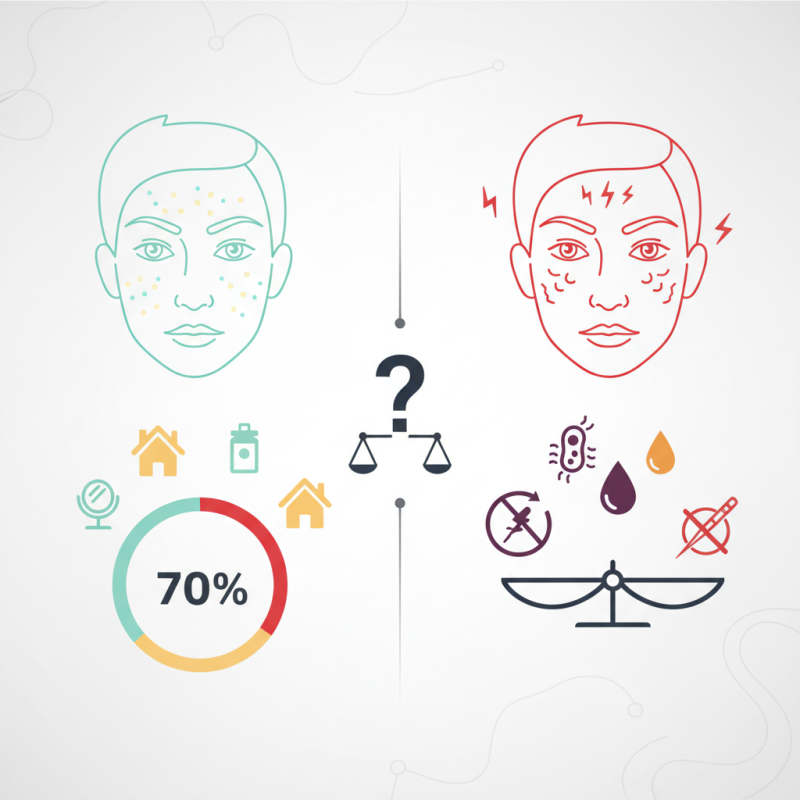
Microneedling has gained popularity as a skincare treatment, but many wonder: "Can microneedling be done at home safely?" The demand for at-home beauty solutions has surged, with 70% of skincare enthusiasts exploring DIY methods. However, industry experts caution against this trend. Dr. Emily Johnson, a renowned dermatologist, states, "While microneedling can offer benefits, safety concerns arise when performed outside a professional setting."
Research indicates that improper application of microneedling can lead to skin damage and infections. Inadequate training and lack of sterile equipment increase these risks significantly. The skin's response to microneedles requires precision, which many at-home users may not achieve. Even minor lapses can have lasting effects on skin integrity.
Consumers should reflect on the potential consequences of DIY microneedling. Despite its allure, the question remains: when it comes to skin health, is the risk worth the reward? Understanding the balance between safety and efficacy is crucial. Ultimately, seeking professional expertise may yield better, safer results.
Is Microneedling Safe to Perform at Home?
Microneedling has gained popularity for its potential skin benefits. However, performing this treatment at home raises safety concerns. The procedure involves creating micro-injuries to stimulate collagen production. While you might find at-home kits, their effectiveness and safety can vary. Many users report mixed results or even unwanted side effects.
Before considering at-home microneedling, it’s essential to evaluate your skin type and any conditions you may have. This procedure can aggravate sensitive skin or cause infections if not done correctly. Consulting a dermatologist beforehand can help ensure you’re a good candidate for this treatment.
**Tips for Safe Microneedling:** Always start with sterilized equipment. Use a gentle touch to avoid excessive pain or damage. Thoroughly cleanse your skin before beginning. If you notice any unusual redness or irritation, consider stopping and consulting a professional. Remember, everyone's skin reacts differently. Reflect on your experience each time you try this method. Each session is a learning opportunity.
Can You Safely Do Microneedling at Home? - Is Microneedling Safe to Perform at Home?
| Aspect |
At-Home Microneedling |
Professional Microneedling |
| Cost |
$50 - $150 per treatment |
$200 - $700 per session |
| Equipment |
DIY devices (derma rollers, pens) |
Medical-grade equipment |
| Training Required |
None required (self-taught) |
Licensed professional required |
| Risk of Infection |
Higher without sterile conditions |
Lower with professional sterilization |
| Results |
Variable and generally milder |
More consistent and pronounced |
| Pain Level |
Minimal with numbing cream |
Moderate; numbing required |
| Healing Time |
1-3 days |
3-10 days |
Understanding the Microneedling Process
Microneedling is a popular skincare technique that involves tiny needles creating micro-injuries on the skin. This process promotes collagen production and helps improve skin texture. According to a report by the American Academy of Dermatology, microneedling can enhance skin elasticity and reduce signs of aging. The procedure is often performed in clinical settings, but many are considering at-home options. Understanding the process is crucial for safety and effectiveness.
When doing microneedling at home, it’s vital to choose the right device. Devices vary in needle length, impacting results and safety. Research indicates that needles longer than 0.5 mm are better suited for professionals. Using inadequate tools increases risks such as infection and skin damage. Always disinfect your equipment and prepare your skin properly.
Tips:
Cleanse your face thoroughly before starting the procedure. Follow up with a soothing serum to promote healing after microneedling. Monitor your skin for any adverse reactions post-treatment.
Many at-home microneedling users report varying results. Some find improvement, while others experience irritation. This inconsistency may stem from improper technique or inadequate post-treatment care. Keeping an eye on your skin's response is essential. Always stay informed about the latest research and trends in microneedling to ensure safe, effective practices.
Essential Tools and Equipment for At-Home Microneedling
Microneedling at home has gained popularity, but it requires the right tools for safety and efficacy. Essential equipment includes a microneedling device, sterilization supplies, and topical serums. These tools can dramatically influence results and minimize risks. According to a report by the American Society for Dermatologic Surgery, improper use of devices can lead to skin complications.
When selecting a microneedling device, consider needle depth and material. Devices with adjustable needle depths allow for personalized treatments. Studies show that needles longer than 0.3 mm should ideally be used under professional supervision. Always ensure the device is made of high-quality stainless steel or titanium.
Additionally, sterilization is crucial. Clean your tools thoroughly to prevent infection. A study published in the Journal of Cosmetic Dermatology reported higher infection rates when at-home users neglected to sterilize devices. Quality serums can enhance the healing process. Many users underestimate their importance.
Focusing on the entire process, including prepping the skin and aftercare, is vital for safe and effective outcomes.
Safety Guidelines and Precautions for Home Treatment
Microneedling at home can seem appealing, but safety must come first. Start by researching proper techniques and tools. Use devices with sterilized needles of appropriate lengths. This reduces the risk of infection and ensures effective treatment. Always clean the skin thoroughly before starting. Then, apply numbing cream if needed. This makes the process more comfortable.
Observe your skin's reaction after treatment. Redness and slight swelling are normal, but observe any unusual signs. Avoid direct sunlight for a few days. Keep the skin moisturized and consider using a soothing serum. Remember, not everyone’s skin reacts the same way. Patience is essential; results may vary.
Microneedling can lead to skin improvement over time. However, home treatments should be approached with caution. Educate yourself on potential risks. Seek guidance from a skin care professional if needed. Safety should always be a priority when experimenting at home.
Potential Risks and Side Effects of DIY Microneedling
Microneedling at home may seem appealing, but it carries significant risks. Without professional guidance, the procedure can lead to severe skin damage. Home kits often lack the precision and safety features found in medical-grade tools. Inexperienced users may cause unnecessary trauma to their skin.
One of the primary concerns is infection. When microneedling is not performed in a sterile environment, bacteria can easily enter the skin. This can lead to painful breakouts or even scarring. Users also risk over-treating their skin, resulting in prolonged redness and irritation. It's crucial to understand that skin types vary. What works for one person may not work for another.
Another issue is the potential for poor results. Many may expect immediate benefits but may find themselves disappointed. Microneedling should enhance skin texture, not cause more problems. Reflecting on these potential risks is essential for anyone considering DIY treatments. Safety and effectiveness should always come first.
FAQS
: At-home microneedling raises safety concerns. Improper technique can lead to skin issues and infections.
Evaluate your skin type and any conditions. Consulting a dermatologist can help assess your suitability.
Use sterilized equipment and a gentle touch. Always cleanse your skin beforehand to minimize risks.
If you notice unusual redness or irritation, stop the procedure. Consider consulting a professional for advice.
You need a microneedling device, sterilization supplies, and topical serums. Each tool affects safety and results.
High-quality devices reduce risks. Choose one that allows adjustable needle depth for personalized treatments.
Sterilization is crucial. Neglecting it can lead to higher infection rates, according to research.
Follow up with a soothing serum for healing. Monitor your skin for any adverse reactions.
Results vary among users. Some see improvement, while others may experience irritation or complications.
Many users underestimate the importance of proper technique and aftercare, leading to inconsistent outcomes.
Conclusion
Microneedling has gained popularity for its potential to improve skin texture and reduce scarring; however, the question arises: can microneedling be done at home safely? While understanding the microneedling process is crucial, it is important to recognize that performing this treatment at home comes with inherent risks. Essential tools and equipment, when not used properly, can lead to complications such as infection or scarring.
To engage in safe at-home microneedling, individuals must adhere to strict safety guidelines and precautions. This includes ensuring the cleanliness of the tools, following recommended techniques, and being mindful of the skin's response during and after the procedure. Despite the appeal of DIY treatments, the potential risks and side effects associated with improper technique highlight the importance of consulting with a professional before undertaking home microneedling.

 Aesthe Medical