RF skin tightening is a popular cosmetic treatment, but many clients often wonder: "Why does RF skin tightening feel hot?" Dr. Sarah Mitchell, a renowned dermatologist, explains, "The warmth you feel during RF treatments is due to the process of heating the dermis to stimulate collagen production."
This sensation is an integral part of the treatment. Radiofrequency energy targets deeper layers of the skin, creating controlled heat. This process stimulates collagen and elastin production, leading to tighter skin. However, the heat can be intense for some, raising concerns among clients about pain and safety.
Understanding "Why does RF skin tightening feel hot" requires a closer look at the technology. While the heat is essential for effective results, not every skin type reacts the same way. Some patients experience discomfort, which can lead to questions about the procedure's effectiveness. Ultimately, it is crucial to consult with experienced professionals to ensure the best outcomes while addressing any concerns during the treatment process.
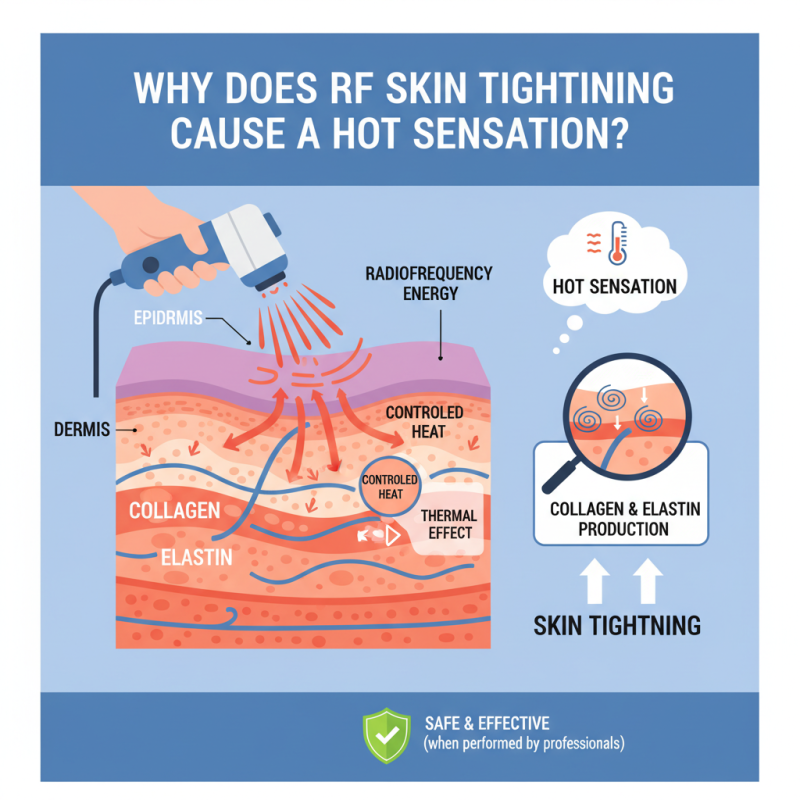
Radiofrequency (RF) skin tightening technology has gained popularity for its ability to stimulate collagen production. This process is essential for maintaining skin elasticity and reducing signs of aging. According to a study published in the Journal of Cosmetic Dermatology, over 80% of patients reported noticeable improvements in skin laxity after RF treatments. The technology works by delivering controlled RF energy into the deeper layers of the skin, generating heat that triggers collagen remodeling.
The experience of heat during RF treatments stems from this energy transfer. As the RF energy penetrates the dermis, it raises skin temperature, activating thermoreceptors. Patients often describe this sensation as warm or mildly uncomfortable. Relevant findings from a survey by the American Society for Dermatologic Surgery reveal that 74% of respondents experienced a warm sensation as the primary feedback during the procedure. While this sensation confirms that the treatment is working, it can also cause hesitation among potential users.
Experts highlight the importance of proper equipment and techniques to minimize discomfort. Not all devices provide the same level of efficacy and comfort. Poorly calibrated machines may lead to uneven heating and reduce treatment effectiveness. Awareness of these variables is crucial for professionals. Potential risks and side effects should also be transparently discussed with patients. Thus, while RF skin tightening presents exciting opportunities for skin rejuvenation, attention to detail and patient comfort remains vital.
RF skin tightening is gaining popularity due to its effectiveness. This treatment generates radiofrequency (RF) energy. This energy penetrates deep into the skin, stimulating collagen production. Collagen is essential for skin elasticity. According to a report by the American Society for Aesthetic Plastic Surgery, procedures like RF skin tightening have increased by over 20% in recent years.
The hot sensation during RF treatments occurs because of this energy absorption. As RF energy heats the dermal layers, it encourages the collagen fibers to contract. This process leads to tighter skin over time. A study in the Journal of Cosmetic Dermatology found that patients reported significant improvements in skin laxity after just a few treatments.
**Tip:** Stay hydrated before your session. This helps your skin respond better to the treatment.
Experiencing discomfort is common, but thresholds vary. Some individuals might find the heat uncomfortable, while others tolerate it well. It's crucial to communicate any discomfort during the procedure. Your practitioner can adjust the intensity accordingly.
**Tip:** Schedule a consultation to discuss your skin type and goals. Each skin is unique, and personalized care yields the best results.
| Parameter | Value | Description |
|---|---|---|
| RF Frequency | 1 MHz - 10 MHz | Range of frequencies used in RF skin tightening |
| Heat Generation | 40°C - 70°C | Temperature range at which collagen stimulation occurs |
| Treatment Duration | 30 - 60 minutes | Typical length of an RF skin tightening session |
| Collagen Production Increase | 30% - 50% | Estimated increase in collagen production post-treatment |
| Result Duration | 6 months - 2 years | How long the tightening effects can last |
RF skin tightening treatments have gained popularity for their non-invasive benefits. One common sensation experienced during these procedures is heat. Understanding why this occurs involves delving into the scientific principles behind radiofrequency energy.
When RF waves penetrate the skin, they target deeper layers. This energy causes the tissues to heat up, resulting in a warm feeling. The heat generated stimulates collagen production, which is vital for skin elasticity. However, not everyone experiences the sensation the same way. Some report a mild warmth, while others feel a more intense heat. This variation can be influenced by skin type and treatment settings.
It's important to note that while the sensation might seem uncomfortable, it’s a sign of the treatment’s efficacy. Nonetheless, practitioners must use caution. Excessive heat can lead to discomfort or burns. Evaluating client feedback is essential. Adjusting the intensity of the RF waves can help accommodate different pain thresholds. Emphasizing client safety should always be a priority in any treatment setting.
RF skin tightening has garnered attention for its promise of rejuvenation. Clinical data show its effectiveness in enhancing skin elasticity and reducing sagging. This procedure employs radiofrequency energy to stimulate collagen production, resulting in firmer skin.
Patients often report a warm sensation during treatment. This feeling is a direct result of the RF energy heating the dermal layers. While many find this heat pleasant, some experience discomfort. Understanding individual pain thresholds is crucial when assessing this treatment's safety and comfort.
Studies indicate that RF skin tightening is generally safe. However, patients may encounter complications, such as redness or swelling. These side effects are usually temporary and resolve quickly. It’s important to approach this procedure with realistic expectations and an understanding of potential outcomes. The balance between effectiveness and comfort remains a vital consideration in the decision to pursue RF skin tightening.
RF skin tightening treatments often elicit a variety of sensations during and after the procedure. Many patients describe a warm or hot sensation as the radiofrequency energy penetrates the skin. This sensation is typically due to the targeted heat, which stimulates collagen production. While some find this warmth comforting, others may feel discomfort.
Post-treatment responses vary widely among individuals. Common experiences include slight redness or swelling in the treated area. This is generally temporary and can last a few hours to a couple of days. Some patients even report a tingling feeling, which might indicate that the skin is responding to the treatment.
However, not every experience is ideal. Some individuals may have heightened sensitivity, making parts of the procedure uncomfortable.
It's important to communicate with your practitioner about your sensations during the treatment. Understanding what is expected can help manage any discomfort. Patients should always remind themselves that individual reactions vary. Keeping track of these experiences can guide future treatments, ensuring a more tailored approach as needed. Balancing expectations with the potential for varying sensations is key.
: RF skin tightening technology stimulates collagen production, improving skin elasticity and reducing aging signs.
RF energy penetrates the skin's deeper layers, heating tissues and activating collagen remodeling.
Most patients experience warmth or mild discomfort during the procedure, indicating it's working.
No, poorly calibrated machines can cause uneven heating and reduce treatment effectiveness.
Practitioners should prioritize client safety and comfort to minimize any discomfort experienced.
No, sensations vary among individuals based on skin type and treatment settings.
Potential risks include discomfort or burns, emphasizing the importance of proper equipment usage.
Intensities may need adjustments based on client feedback and pain thresholds to enhance comfort.
Patients should be informed about possible sensations during treatment and discuss any risk factors.
Evaluating feedback helps practitioners tailor the treatment to suit individual client needs and ensure safety.
RF skin tightening is a popular non-invasive cosmetic procedure that utilizes radiofrequency energy to stimulate collagen production, resulting in tighter, firmer skin. Understanding the mechanism behind this technology reveals why RF skin tightening feels hot during treatment. The radiofrequency energy targets the deeper layers of the skin, generating heat that effectively encourages collagen remodeling. This heat sensation is a normal response and indicates that the treatment is working to rejuvenate the skin.
Additionally, clinical data supports the safety and effectiveness of RF skin tightening procedures, making it a favored choice among patients seeking skin tightening solutions. Throughout the process, patients may experience varying sensations, commonly described as warmth or slight discomfort; however, these responses typically subside shortly after treatment. Overall, the hot sensation during RF skin tightening is a critical component in achieving the desired aesthetic results, leading to enhanced skin quality and appearance.
