Post-skin rejuvenation treatments, many wonder, "Can I use vitamin C after skin rejuvenation?" This question is essential for anyone looking to enhance their skin’s health while promoting healing. Vitamin C is well-known for its antioxidant properties. It helps brighten the skin and promotes collagen production. However, after certain treatments, the skin may be sensitive.
It is crucial to understand how vitamin C interacts with healing skin. Some individuals may experience irritation from applying potent active ingredients too soon. Therefore, it is best to consult with a skincare professional. They can assess your individual situation and recommend the right timing for vitamin C use. Each skin type is different, and everyone's recovery is unique.
Ultimately, applying vitamin C too early may lead to complications. Balancing skincare ingredients after a procedure can be challenging. Observing how your skin reacts to any product is critical. This reflective practice can significantly influence your overall skin health. Remember, patience may be necessary for optimal results.
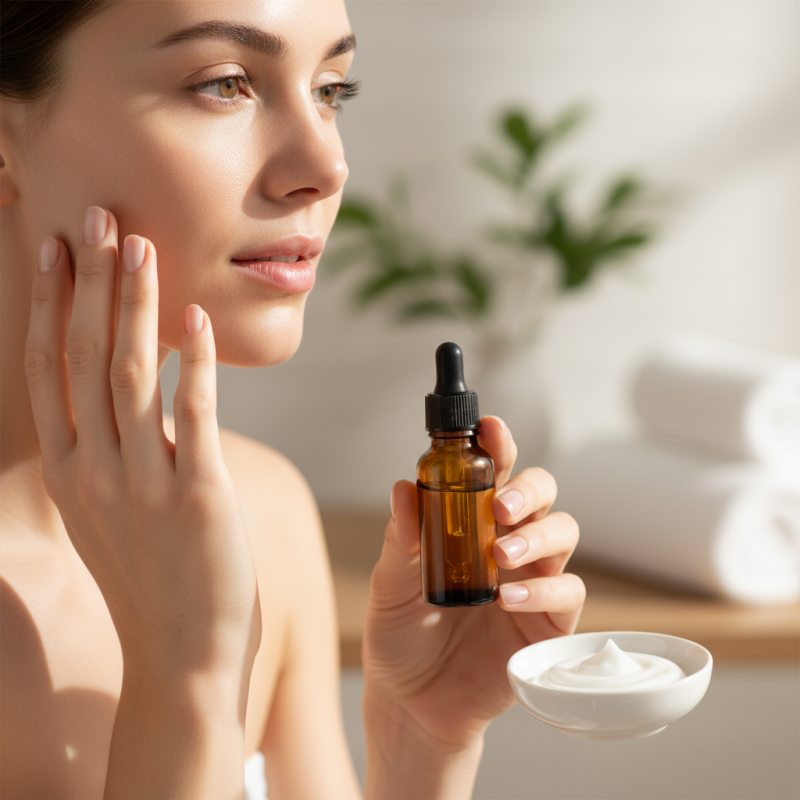
Understanding Skin Rejuvenation Treatments and Their Effects
Skin rejuvenation treatments come in various forms, including chemical peels, microneedling, and laser therapy. These procedures aim to improve skin texture, reduce wrinkles, and enhance overall appearance. According to a report by the American Society for Aesthetic Plastic Surgery, non-invasive skin rejuvenation treatments have increased by over 200% since 2010. This rise illustrates a growing interest in healthier skin alternatives.
Chemical peels help to exfoliate the outermost layers of skin, revealing a smoother surface underneath. Microneedling stimulates collagen production, making the skin firmer and more youthful. However, these treatments create a temporary barrier, leaving skin sensitive post-procedure. Experts advise waiting 48-72 hours after treatment before applying vitamin C. This allows the skin to recover and decreases the risk of irritation.
Tips: Avoid using products with strong actives immediately after treatment. Stick to gentle, hydrating formulations initially. Additionally, consider using a broad-spectrum sunscreen to protect your newly rejuvenated skin. Listen to your skin; if it feels irritated, give it more time to heal.
Vitamin C Usage After Skin Rejuvenation Treatments
This chart illustrates the skin sensitivity levels after undergoing skin rejuvenation treatments when Vitamin C is introduced. The sensitivity tends to decrease as time progresses, indicating that waiting for a period post-treatment is advisable before using Vitamin C products.
The Role of Vitamin C in Skin Health and Repair
Vitamin C plays a crucial role in skin health and repair. It is a powerful antioxidant that helps combat free radicals. After skin rejuvenation treatments, adding vitamin C may enhance recovery. This vitamin promotes collagen synthesis, improving skin elasticity. Many dermatologists recommend it for post-treatment care.
However, using vitamin C right after a procedure might irritate sensitive skin. The skin barrier is often compromised following treatments. This factor can lead to reactions. It’s essential to listen to your skin. Testing a small area first can help. Additionally, timing is vital. Waiting a few days before application may be beneficial.
The ideal concentration of vitamin C varies for everyone. Higher percentages can offer more benefits but may not suit all skin types. Consulting with a skincare professional can provide personalized advice. Your unique skin needs and concerns should always guide decisions. Balancing care and caution will support optimal results.
Timing the Application of Vitamin C Post-Treatment
Timing is critical when applying Vitamin C after skin rejuvenation treatments. The skin undergoes a healing process following procedures like chemical peels or laser therapy. According to a study published in the *Journal of Dermatological Science*, introducing Vitamin C too soon can irritate the skin and potentially disrupt healing. Proper timing ensures that Vitamin C can effectively penetrate the skin without causing unnecessary irritation.
Post-treatment, experts suggest waiting at least 48 hours before applying Vitamin C. This allows the skin's barrier to recover. Research indicates that Vitamin C can enhance collagen synthesis and improve skin texture, but its effectiveness is reduced if the skin is compromised. Furthermore, a report from the American Academy of Dermatology highlights that incorporating Vitamin C too early may counteract the intended results of skin rejuvenation.
While Vitamin C is beneficial, it may not suit every skin type. Some individuals experience redness or stinging when applying Vitamin C after treatments. This response reminds us that individual skin reactions vary. Listening to your skin's needs is essential. Monitoring reactions carefully can help determine the best approach for your post-treatment regime.
Potential Benefits of Using Vitamin C After Rejuvenation
Vitamin C can be a powerful ally after skin rejuvenation treatments. This vitamin is known for its antioxidants, helping to protect and heal the skin. After procedures like chemical peels or laser treatment, skin may be sensitive. Using Vitamin C can enhance healing and support skin repair.
Incorporating Vitamin C into your post-treatment routine might offer beneficial results. It can brighten the skin, reducing redness and promoting an even tone. Many dermatologists recommend it for post-procedure care. However, some individuals may experience irritation, especially if their skin is ultra-sensitive. It's essential to monitor your skin’s reaction closely.
Choosing the right time to introduce Vitamin C is crucial. After the initial healing phase, it may work better. Patience is key. Each person's skin responds differently, so what works well for one may not suit another. Adjust your routine based on individual skin responses for the best outcomes.
Can I Use Vitamin C After Skin Rejuvenation Treatments? - Potential Benefits of Using Vitamin C After Rejuvenation
| Benefit |
Description |
Recommended Usage |
| Promotes Collagen Production |
Vitamin C stimulates collagen synthesis, helping to improve skin elasticity. |
Use after treatment and as part of a daily skincare routine. |
| Reduces Inflammation |
Vitamin C can help soothe redness and irritation post-treatment. |
Apply a serum with Vitamin C after skin settles post-treatment. |
| Improves Skin Tone |
Helps to brighten skin and even out discolorations. |
Incorporate into routine 1-2 weeks after treatment. |
| Provides Antioxidant Protection |
Protects the skin against free radicals and environmental damage. |
Use daily, especially if exposed to sun and pollution. |
| Enhances Hydration |
Vitamin C can improve skin hydration when paired with moisturizers. |
Mix with a hydrating serum or cream post-rejuvenation. |
Precautions and Recommendations for Vitamin C Use After Procedures
After skin rejuvenation treatments, using Vitamin C can be beneficial, but caution is essential. Many patients seek brighter skin and improved texture post-procedure. Vitamin C is renowned for its antioxidant properties and ability to promote healing. However, the skin may be sensitive after treatments. It’s crucial to wait an appropriate period before incorporating Vitamin C into your routine.
Experts often suggest starting Vitamin C a week or two post-treatment. This timeframe allows your skin to stabilize and reduces the risk of irritation. Pay attention to how your skin reacts. If you notice redness or stinging, consider pausing. Not all Vitamin C formulations are created equal. Choose lightweight serums over heavier creams for better absorption. Focus on pH levels as well; a balanced formulation is less likely to cause reactions.
Ultimately, while Vitamin C can enhance results, individual experiences vary. Reflect on your skin’s unique needs. Consult your dermatologist for tailored advice. They can help you navigate potential risks and benefits. Adapting your routine based on recovery will ensure optimal results and skin health.
Conclusion
The article titled "Can I Use Vitamin C After Skin Rejuvenation Treatments?" explores the compatibility of Vitamin C with various skin rejuvenation procedures. It explains how these treatments can enhance skin texture and appearance while discussing the role of Vitamin C in promoting skin health and aiding in the repair process. The timing of Vitamin C application post-treatment is crucial, as it can help maximize benefits while minimizing potential irritation.
Additionally, the article outlines the advantages of incorporating Vitamin C after skin rejuvenation, such as improved healing and enhanced radiance. However, it also emphasizes the importance of following precautions and recommendations to ensure safe usage. Ultimately, understanding the interaction between Vitamin C and skin rejuvenation treatments can guide individuals in their skincare routines, reinforcing the ongoing question: Can I use Vitamin C after skin rejuvenation?

 Aesthe Medical