Aesthe Medical
1 / 5
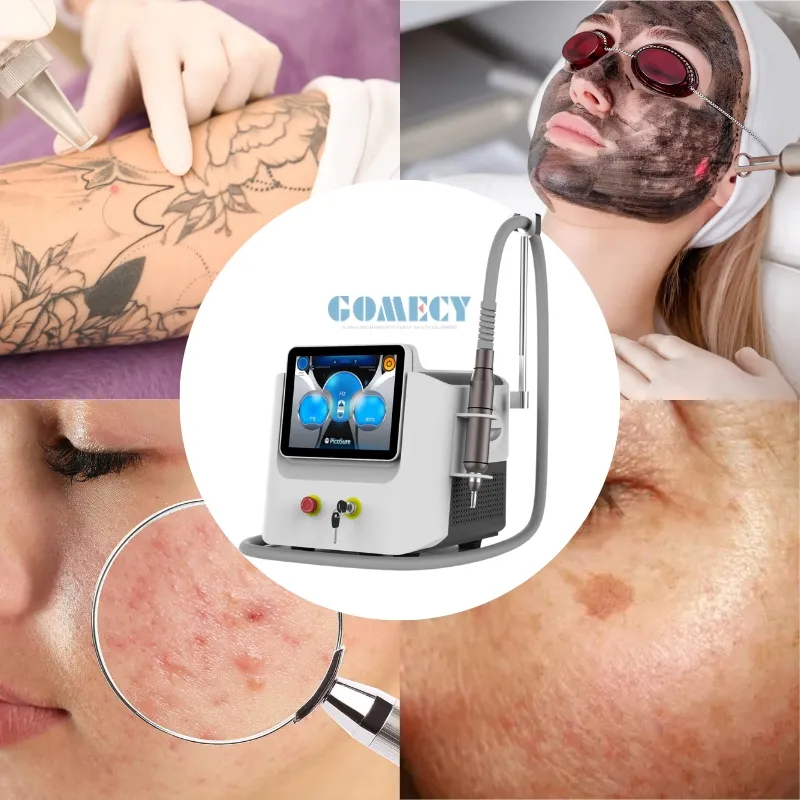
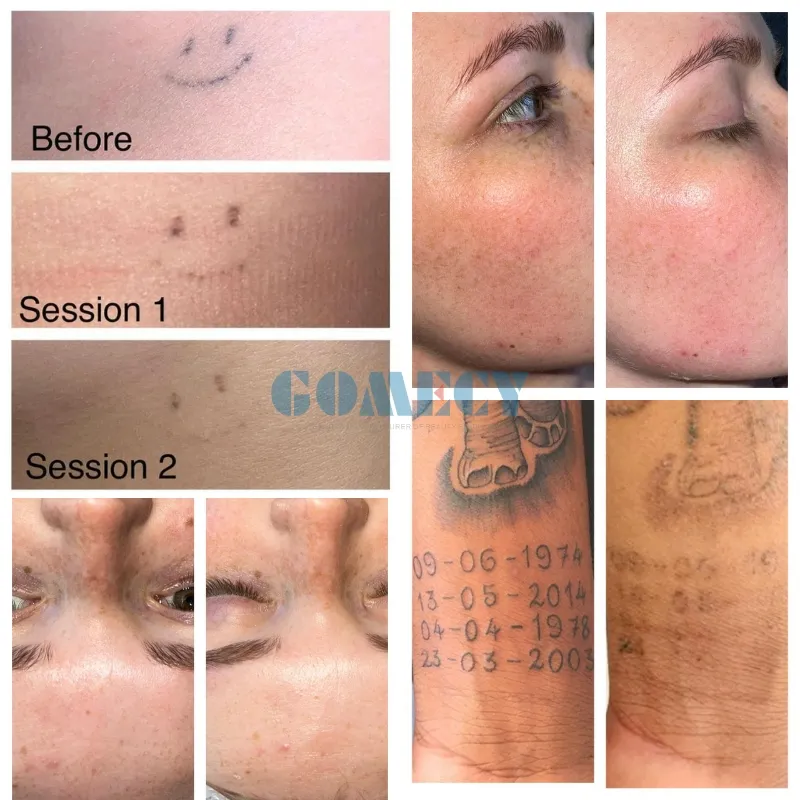
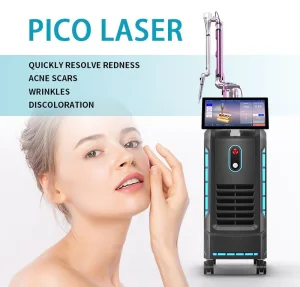
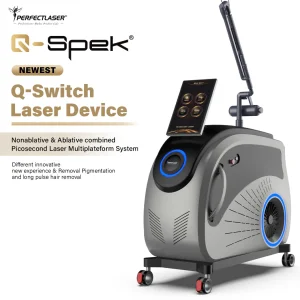
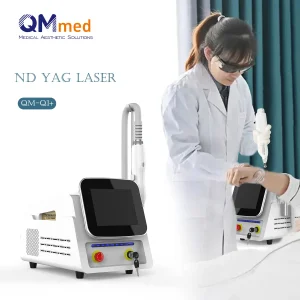
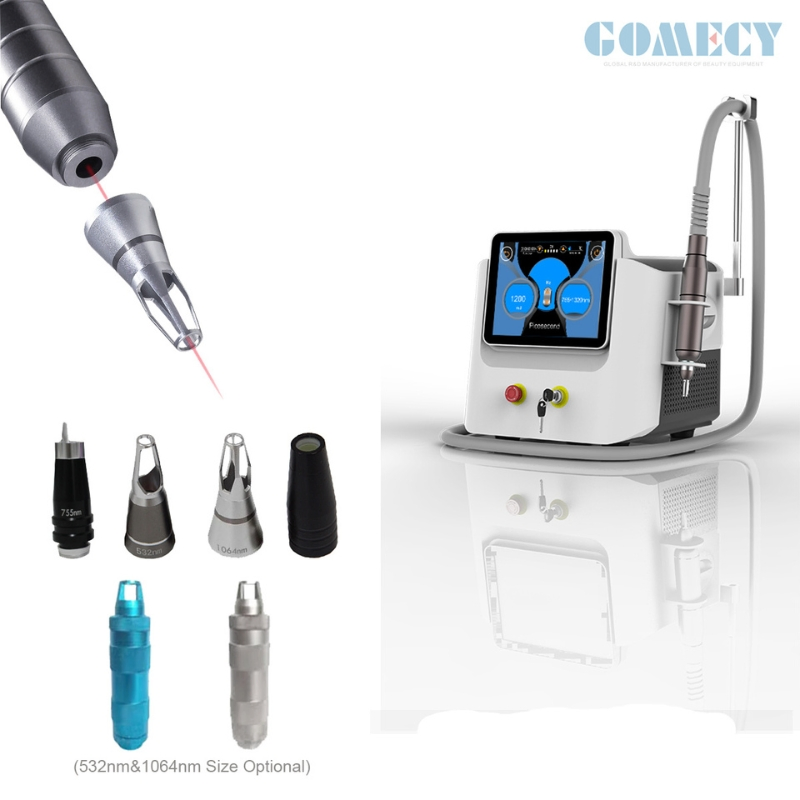
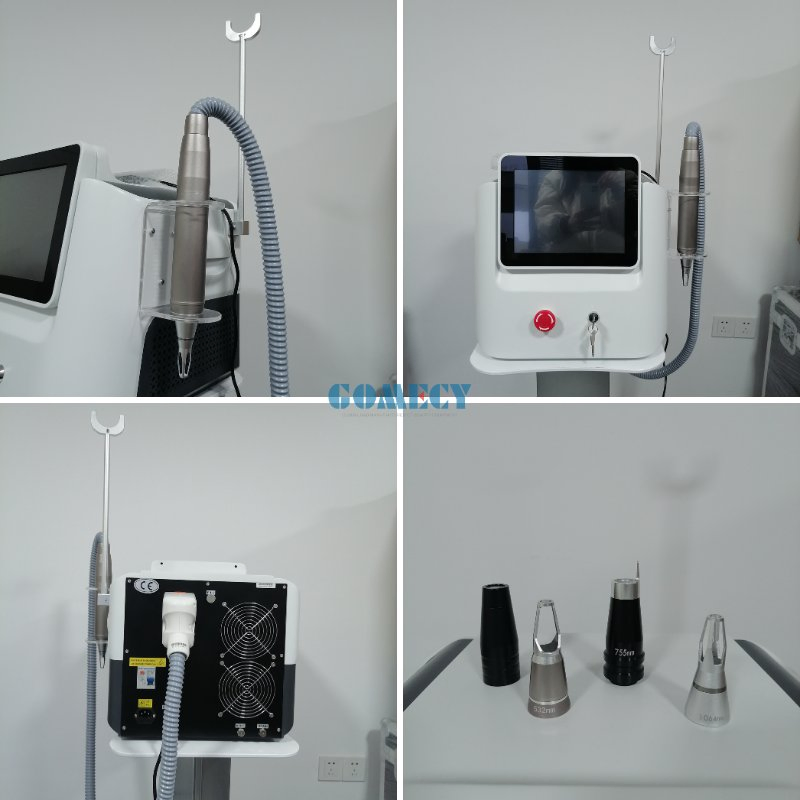
The Q-Switched Nd:YAG Laser System uses advanced selective photothermolysis technology to target and break down pigments in the skin and tattoos without damaging surrounding tissues. Ultra-short, high-energy pulses deliver a powerful photoacoustic effect, fragmenting pigment particles that are naturally eliminated by the body.
| Parameter | Specification |
|---|---|
| Light Source | Nd:YAG Solid Laser, Q-Switched |
| Laser Head | 6 Heads |
| Power Output | 100-2000 J/cm² |
| Spot Size | 2-10mm Adjustable |
| Electrical Requirements | 100-240VAC, 20A max, 50/60Hz |
| Cooling | Water Cooling + Air Cooling |
1 Pre-Treatment Evaluation: Assess skin type, tattoo color, and pigment depth.
2 Test Spot: Perform a small test to observe skin reaction.
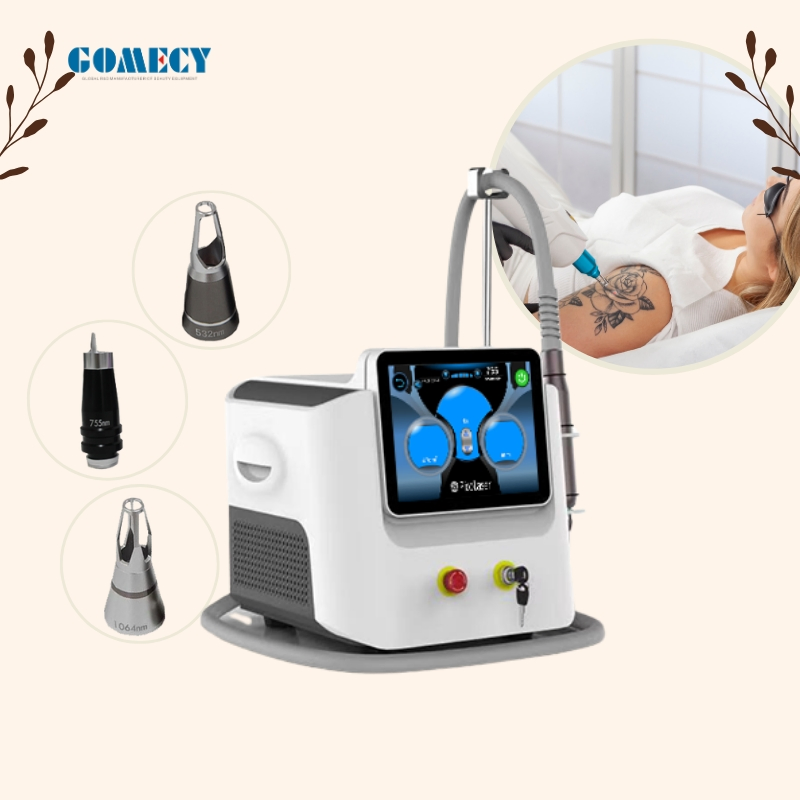
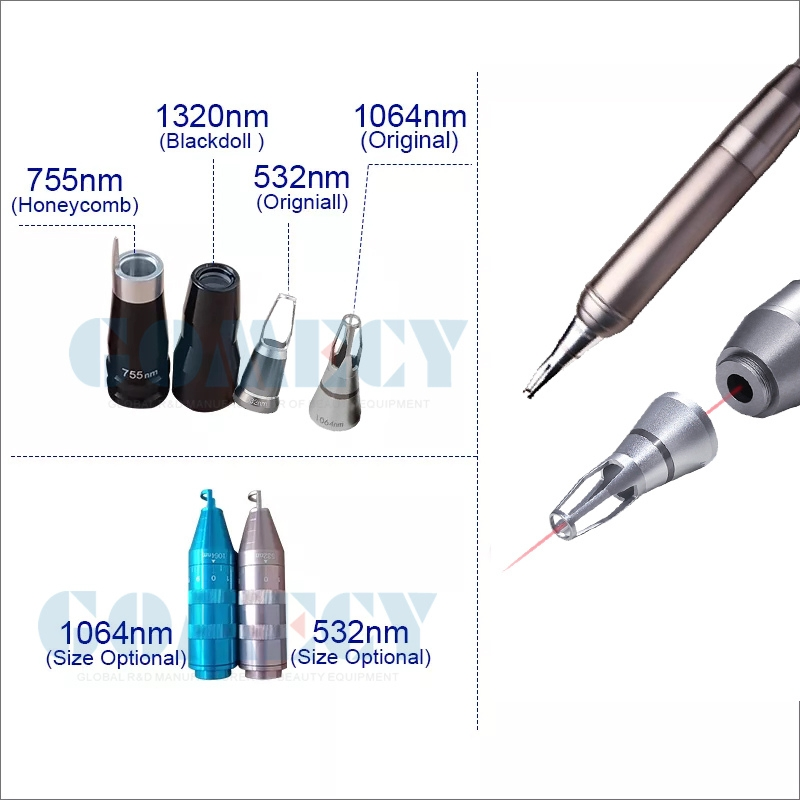
3 Wavelength Selection: Choose 532nm, 755nm, 1064nm, or 1320nm based on target.
4 Adjustment: Set spot size and energy for precise treatment.
5 Cooling & Application: Use active cooling while delivering laser pulses.
6 Post-Care: Provide hydration and sun protection instructions.

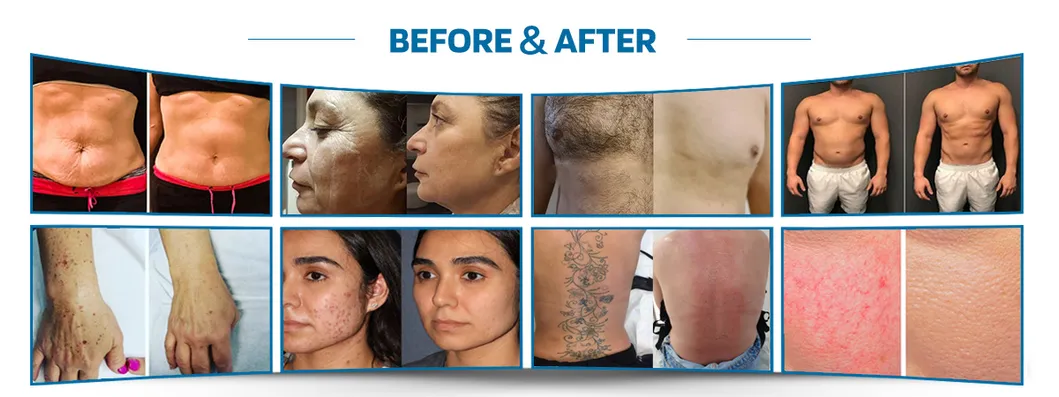

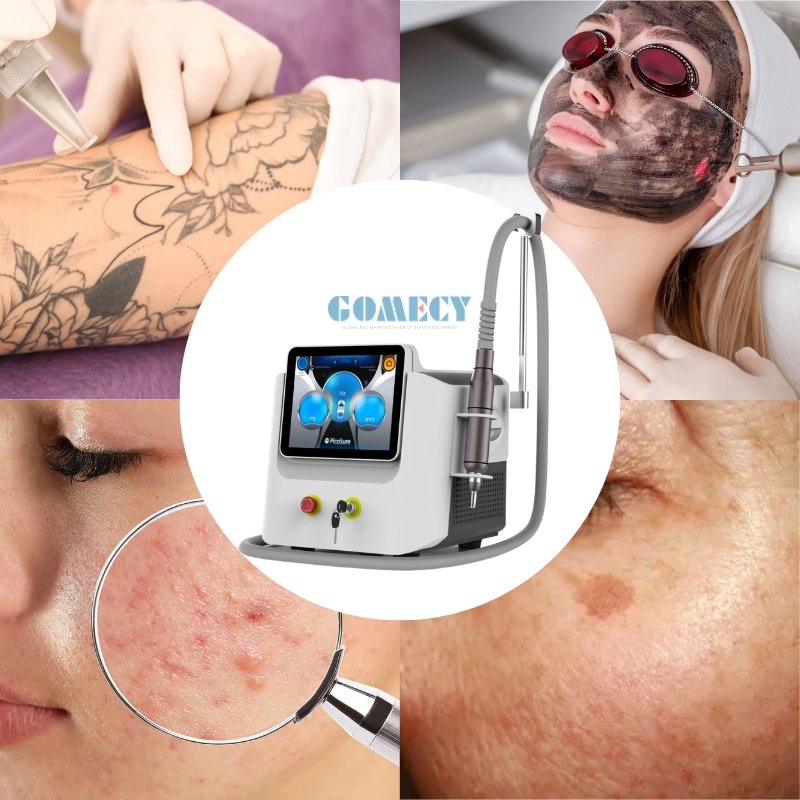
It is highly effective for removing multi-colored tattoos, age spots, sun spots, melasma, and freckles, as well as providing skin rejuvenation and carbon peeling treatments.
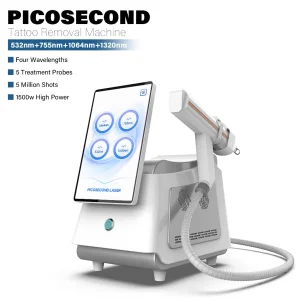
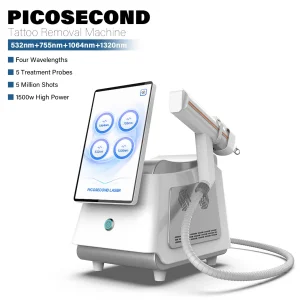
The system includes four professional wavelengths: 532nm (red/yellow pigments), 755nm (green/blue pigments), 1064nm (dark pigments), and 1320nm (skin rejuvenation).
Yes, specifically the 1064nm wavelength is designed for deep penetration and is safe for all skin types, including darker skin tones, with minimal risk of damage to surrounding tissue.
The device features a powerful dual cooling system combining water and air cooling. This ensures the machine can operate continuously and safely while protecting the patient's epidermis and reducing discomfort.
The 1320nm wavelength is primarily used for non-invasive treatments like carbon peeling, targeting deeper dermal layers to improve acne, stimulate collagen, and rejuvenate the skin texture.
Contraindications include pregnancy or breastfeeding, active skin infections, keloid-prone skin, and patients with pacemakers or metal implants in the treatment area.