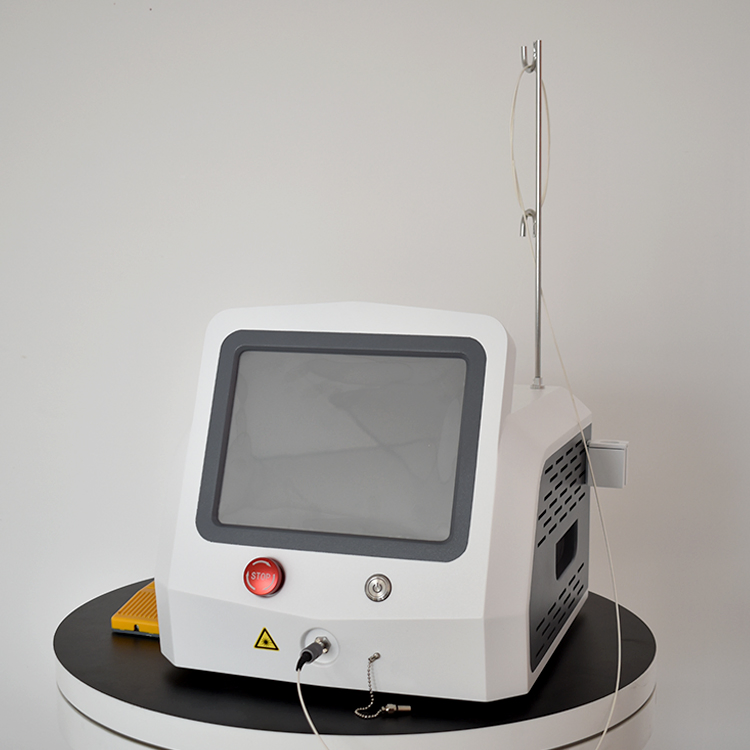
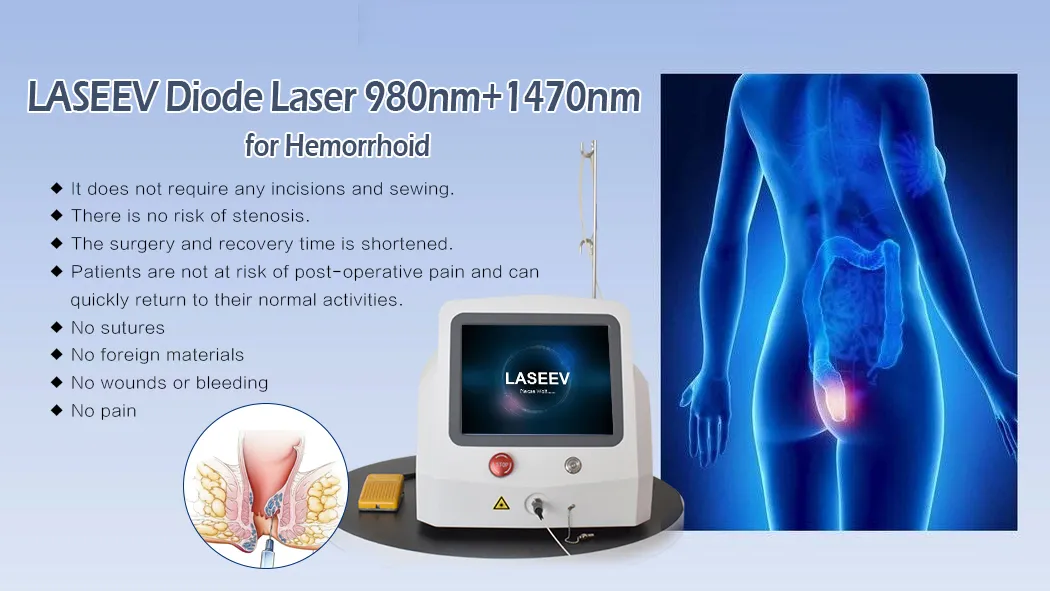
Newest 980nm 1470nm Hemorrhoids Fistula Treatment Diode Laser Medical Technology

Still deciding? Get samples of $ !
Request Sample

Product Description

📋 Basic Information

Model NO.Laseev
Voltage110V/220V
Frequency1-16Hz
MOQ1 set
Fiber TypeBare Fiber/Radial Fiber
ServiceAfter-Sales Service; Training Service
Transport PackageAir Box
Specification45*48*53

🔬 Medical Laser Therapy

Newest technology Medical Laser Therapy Diode Laser 980nm for Hemorrhoids laser

The usage of Laseev Laser for Proctology is a win-win situation for both the patients and the surgeon. While it makes the procedure simpler and less painful for the patients, it also created a more workable environment for the surgeons in the operating room.

Laser typeDiode Laser Gallium-Aluminum-Arsenide GaAlAs
Wavelength980nm + 1470nm
Power1-30W for 980nm, 1-17W for 1470nm
Working ModesCW, Pulse and Single
Aiming BeamAdjustable Red indicator light 650nm
Fiber typeBare fiber / Radial fiber
Fiber diameter600um
Fiber connectorSMA-905 International standard
Pulse Duration0.00s - 1.00s
Weight6.5kg
Hemorrhoids Laser Technology

🎯 Proctology Applications

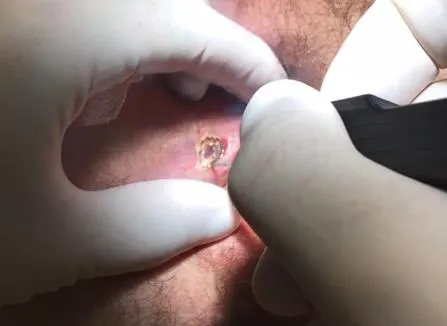
Precision excision and vaporization for hemorrhoids, fistula, fissure, and pilonidal sinus.

📍 LHP® (Laser Hemorrhoido Plasty)

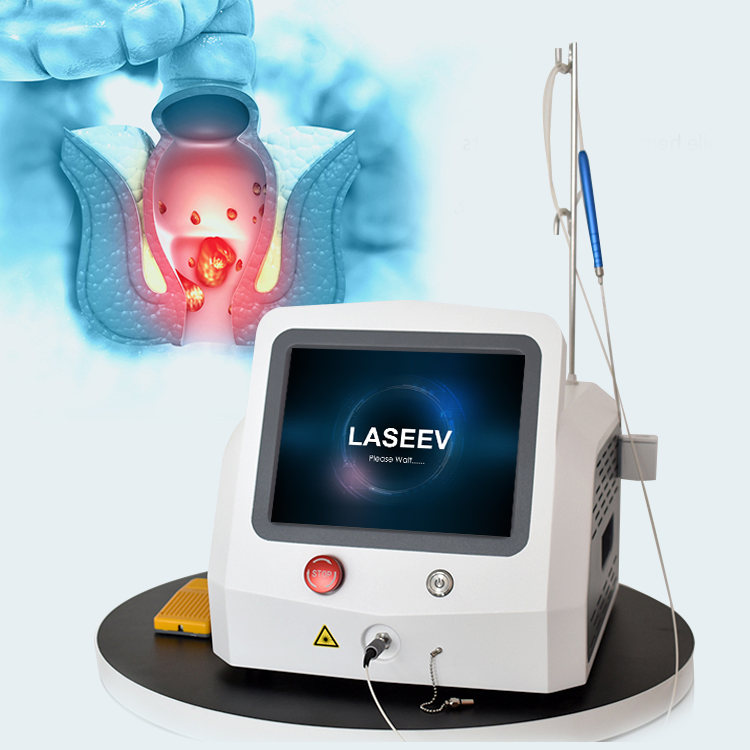
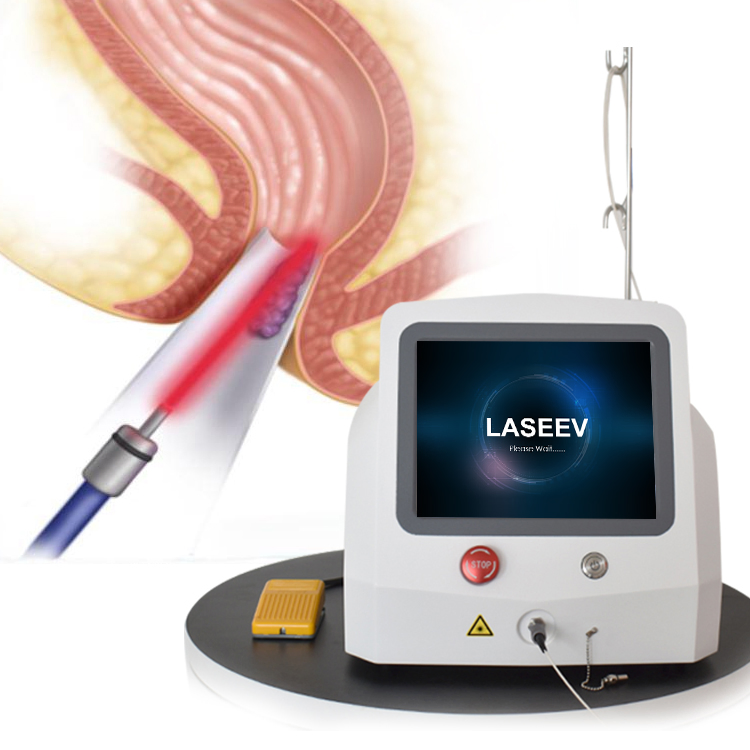
Gentle therapy for advanced hemorrhoids (3rd or 4th degree). Laser coagulation of hemorrhoidal nodes without damaging the anoderm or mucosa. No foreign materials (clamps) are needed, and no risk of stenosis.
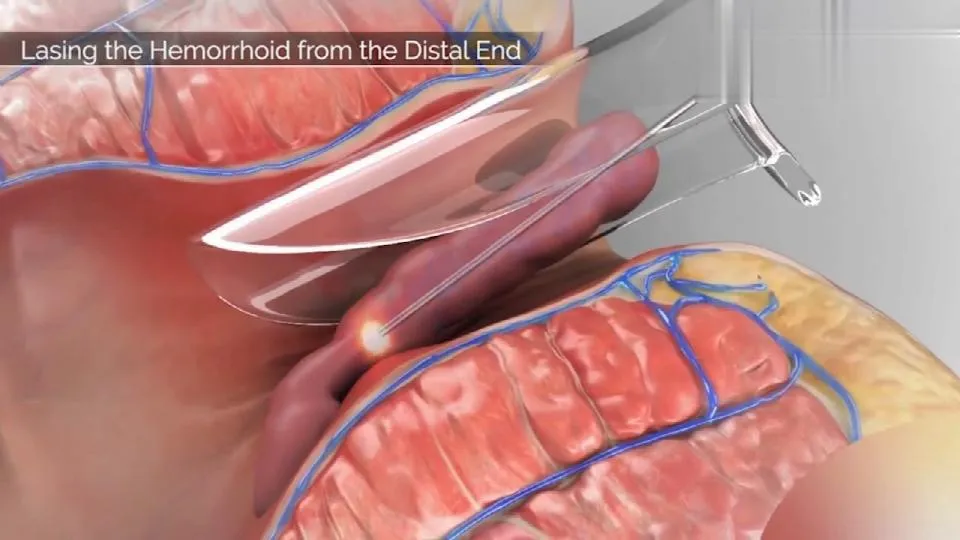
LHP Treatment

📍 FiLaC® (Fistula-tract Laser Closure)

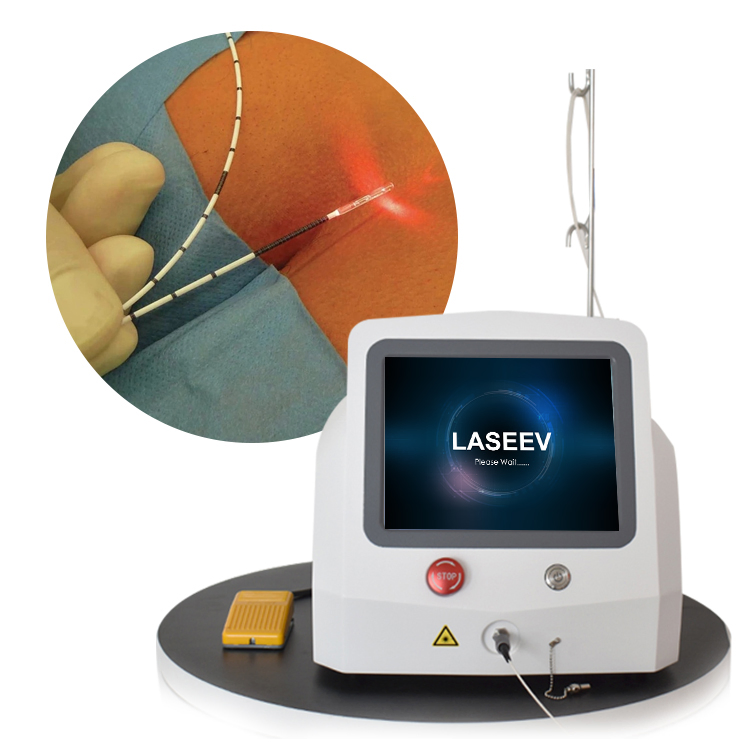
Flexible, radially emitting laser fiber destroys epithelialized tissue in a controlled way, causing the fistula tract to collapse and accelerating the healing process.
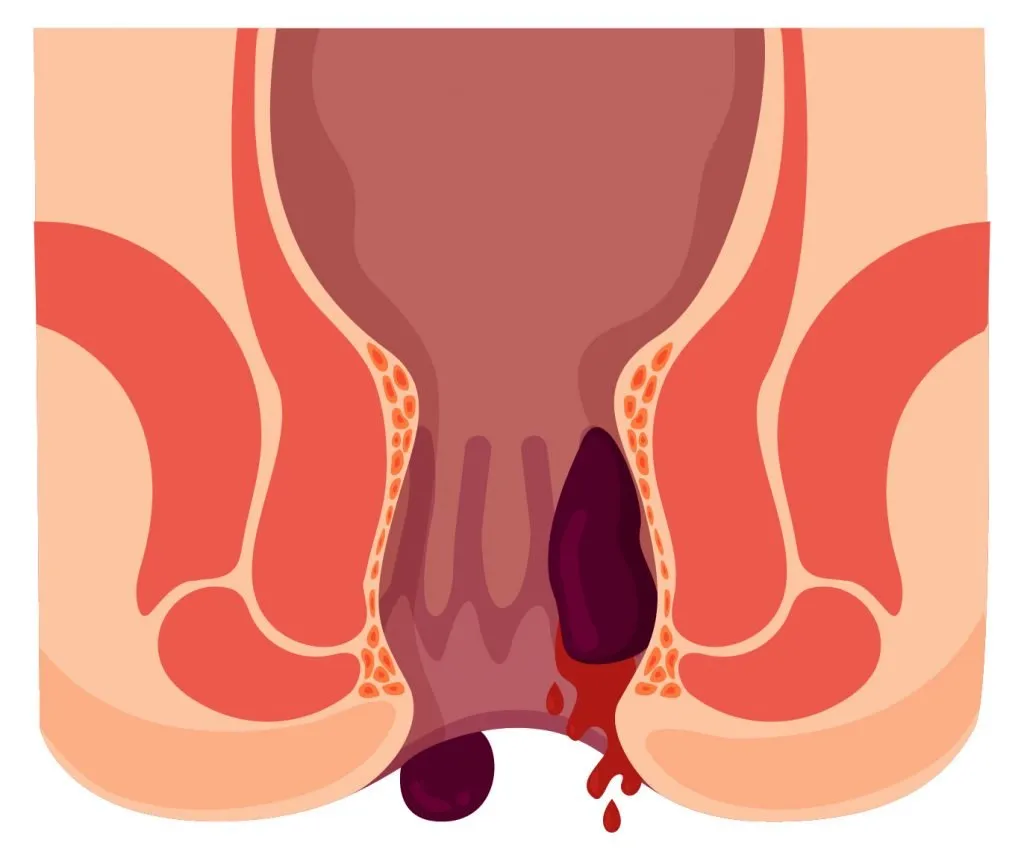
FiLaC Treatment

📍 SiLaC® (Sinus Pilonidalis Treatment)

Achieves excellent healing results with minimal wound surfaces and convincing cosmetic results for pilonidal cysts.
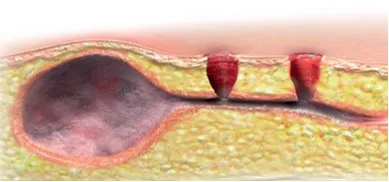
SiLaC Treatment

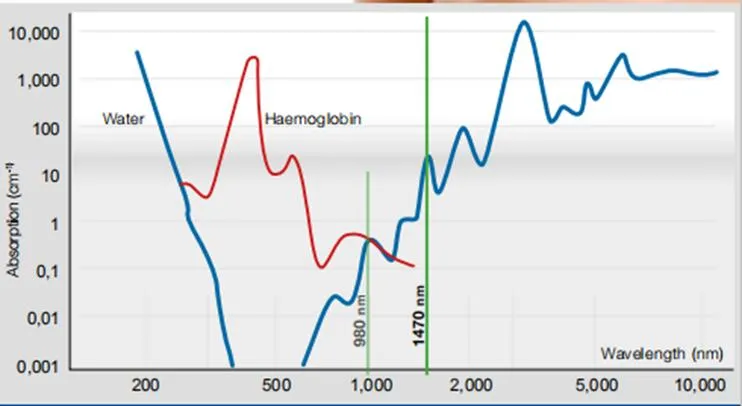
Dual Laser Advantage: 980nm + 1470nm

Dual Wavelength Technology
  • 980nm: Highest combined absorption in water and hemoglobin for high ablation and hemostasis.
  • 1470nm: Specifically absorbed by intracellular water for optimal tissue shrinkage.

This combination allows for optimal ablation and coagulation using low power energy, minimizing the risk of burns while restoring natural anatomical structures.
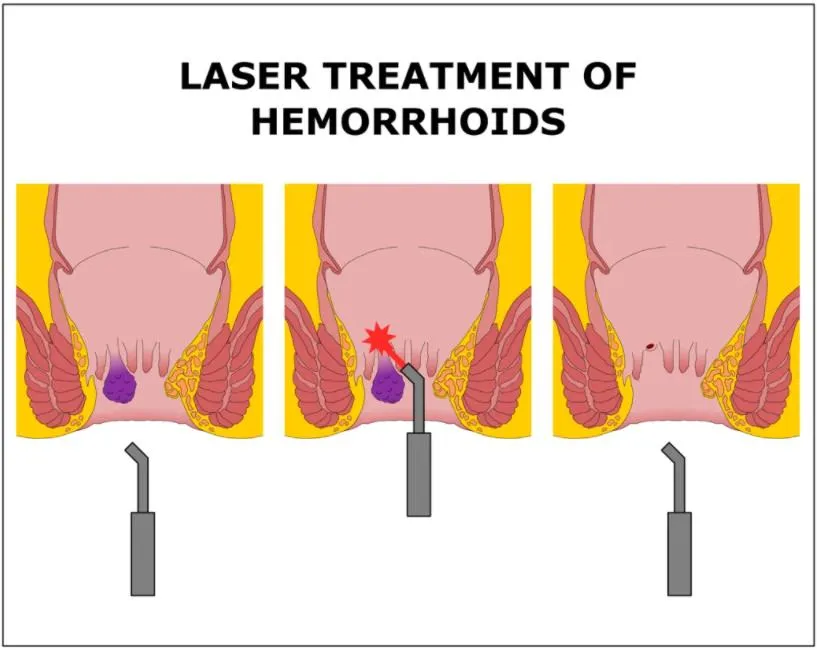
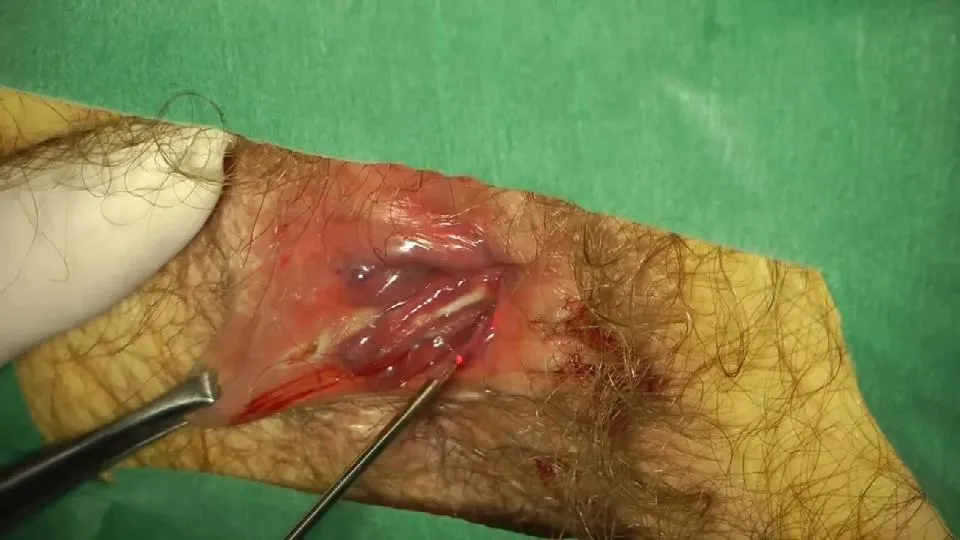
Laser Reconstruction

Why Choose Laser Ablation?

👤

For Patients

  • Painless treatments
  • No risk of damage to mucosa and sphincter
  • Low risk of complications
  • Short recovery time & outpatient procedure
👨‍⚕️

For Doctors

  • No need to cut or sew
  • No bleeding during procedure
  • No rubber bands, staples, or threads
  • Repeatable treatment if necessary
Clinical Advantage 1
Clinical Advantage 2

🛠️ Specialized Probes

1. Hemorrhoid Probe (Conical Fiber)

Special conical design for efficient coagulation. Provides effective laser emission into the hemorrhoidal node with maximized stability.

2. Fistula Probe (360° Radial Fiber)

Ensures homogenous photothermal destruction of the fistula tract with 360° "ringlight" energy emission, allowing for safe and precise closure.
Frequently Asked Questions

1. Can laser effectively remove hemorrhoids? Yes. The Hemorrhoid Laser Procedure (LHP) stops the arterial flow feeding the hemorrhoidal plexus through controlled laser coagulation, causing the nodes to shrink and fibrotize.
2. What is the expected recovery time? Recovery is much faster than traditional surgery. Most patients can return to normal activities within 1 to 3 weeks, though full internal healing typically takes 6 to 8 weeks.
3. Is the laser procedure painful? Laser treatments are significantly less painful than conventional surgical methods. It is a minimally invasive approach that avoids deep incisions and stitches in sensitive areas.
4. Why is the 980nm+1470nm dual wavelength better? The 1470nm wavelength targets water for tissue shrinkage, while the 980nm targets hemoglobin to prevent bleeding. Together, they provide cleaner, safer, and more efficient results.
5. Is anesthesia required for this surgery? The procedure is typically performed under local anesthesia or light sedation on an outpatient basis, making it convenient and reducing hospital stay time.
6. Does the laser damage the sphincter muscle? No. Because the laser energy is applied precisely and from the inside out (endoluminal), there is a much lower risk of damaging the anal sphincter or mucosa compared to traditional cutting methods.

Related Products